Credit is one of those things most young adults hear about constantly—but rarely fully understand. Everyone says it is important. Few explain how it actually works, or how easy it is to get wrong.
For many young adults, credit begins quietly. A first credit card. A phone installment plan. A buy-now-pay-later offer that feels harmless. At first, everything seems manageable. Payments are small. Limits feel generous. There is no immediate pain.
And that is exactly why credit mistakes are so common in early adulthood.
This article is a practical guide to young adult credit—what it is, why it matters, how it can help you, and how it can hurt you if you are not careful. The goal is not fear. It is control.
What Credit Really Means for Young Adults
Credit is not extra money. It is borrowed trust.
When you use credit, lenders are betting on one thing: that future you will pay them back as promised. Every payment you make—or miss—adds to a financial story that follows you for years.
For young adults, credit affects:
- Ability to rent an apartment
- Approval for future loans
- Interest rates you are offered
- Even some job opportunities
Credit is not just financial. It is reputational.
Why Credit Feels Easy at First
Credit is designed to feel simple and painless—especially at the beginning.
Why?
- Low starting limits
- Introductory offers
- Minimal required payments
- Fast digital approvals
This creates a dangerous illusion: that credit has no real cost.
The cost does not appear immediately. It appears later, with interest.
Common Credit Entry Points for Young Adults
Most young adults start building credit without realizing it.
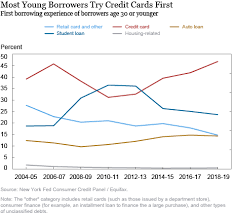
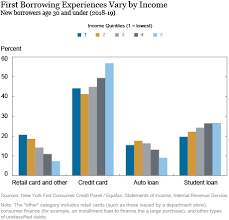
1. Credit Cards
Often the first formal credit product. Used well, they build credit. Used poorly, they build debt.
2. Student Loans
These establish credit history but also long-term obligations.
3. Buy Now, Pay Later Services
Often marketed as “interest-free,” but missed payments still damage credit.
4. Phone and Device Financing
Small monthly payments that still count as credit behavior.
Each of these contributes to your credit profile—positively or negatively.
How Credit Scores Work (In Simple Terms)
A credit score is a summary of your behavior with borrowed money.
It generally reflects:
- Payment history
- How much credit you use
- Length of credit history
- Types of credit
- New credit applications
For young adults, payment history matters most. One missed payment can outweigh months of good behavior.
The Biggest Credit Mistakes Young Adults Make
Most credit damage is not caused by emergencies. It is caused by habits.
1. Paying Only the Minimum
Minimum payments keep accounts “current” but maximize interest.
2. Treating Credit as Income
Credit should support cash flow—not replace it.
3. Missing Payments by Accident
Late fees and credit damage often happen due to forgetfulness, not lack of money.
4. Opening Too Many Accounts Too Quickly
Each application signals risk to lenders.
Small mistakes repeated become expensive patterns.
Why Credit Card Debt Hits Young Adults Hardest
Interest compounds over time. The earlier debt starts, the longer it has to grow.
Young adults with credit card debt often face:
- Slower savings growth
- Delayed independence
- Stress and financial anxiety
- Limited future options
The issue is not borrowing—it is borrowing without a plan.
Smart Credit Habits to Build Early
Good credit is built through boring, consistent behavior.
1. Always Pay On Time
Payment history is the foundation of credit.
Automate payments to avoid mistakes.
2. Use Less Than You’re Allowed
Using a small portion of your credit limit shows control.
High usage signals risk—even if you pay on time.
3. Keep Credit Simple
One well-managed card is better than three poorly managed ones.
4. Review Statements Regularly
Understanding where money goes builds awareness and discipline.
The Role of Credit in Long-Term Financial Success
Credit affects more than borrowing.
Good credit can mean:
- Lower interest rates
- Easier approvals
- More financial flexibility
- Less stress
Poor credit makes everything more expensive—often for years.
Credit and Lifestyle Pressure
Young adults face constant pressure:
- Social media spending
- Travel trends
- Lifestyle expectations
Credit makes it easy to keep up—but hard to recover.
True financial confidence comes from alignment, not appearance.
When Credit Can Actually Help You
Used correctly, credit is a powerful tool.
It can:
- Build financial history
- Protect cash flow
- Provide emergency flexibility
- Support future goals
The key is intention. Credit should support your life—not control it.
The CEO Mindset for Young Adults
Successful people learn early that money follows systems.
A strong credit mindset includes:
- Thinking long-term
- Avoiding emotional spending
- Protecting reputation
- Valuing consistency over shortcuts
Credit rewards discipline, not impulse.
Warning Signs You Should Adjust Now
- Carrying balances month to month
- Avoiding checking statements
- Relying on credit for basics
- Feeling anxious about payments
These are signals—not failures.
Final Thoughts: Credit Is a Long Game
Young adult credit is not about perfection. It is about direction.
Every on-time payment builds momentum.
Every smart choice protects future freedom.
The decisions you make with credit today will shape opportunities tomorrow.
Use credit intentionally. Build it patiently. And let your future self benefit from the discipline you practice now.
End of article.
Summary:
Don’t let common mistakes like adding your child as an authorized user or a co-applicant harm his or her future credit. Imagine what a shock it would be if she attempted to buy a car or pass a credit check for an apartment, and she found out that the credit card she’d been making payments to for years isn’t on her credit report.
Keywords:
credit repair, history, transunion, equifax, experian, bureau, credit card, debt, equity, interest rates, balance transfer, rewards, cashback, gas rebates, airline miles, rebuilding, repair, bankruptcy, bad, good, excellent, repossession, debt, airline miles, 0 apr, balance transfer, visa, mastercard, amex, chase, hsbc, discover, instant approval, apply online, get approved, no annual fee, rewards, history, rebuild, revamp, james marshall, author, texas, florida, army, ft hood, fort, infantry, cavalry, finance, business, home work, commute, telecommute, outsource, article, directory, search engine, seo, pimp, url, scrub, ezine directory, optimization, promote, hype, submiteaze, godaddy, credit card, discover, amex, chase, bank of america, mastercard, visa, rewards, balance transfer, database
Article Body:
Credit Care for Teens and Young Adults
It’s great when parents are willing to help out with their kids’ futures, but make sure that you understand all of the implications before you help your kids build credit.
A credit card is a great way to start building credit as a teen or young adult, and many young people receive their first credit card from their parents. Before you hand your teen a credit card as they head off to the mall, think about whether it’s helping (or possibly hurting) their future credit.
Authorized Users vs. Co-Applicants
Often, a teen’s first introduction to credit is becoming an authorized user on a parent’s credit card. This is an easy way to get a credit card, but it’s not usually the best way. In almost every case, an authorized user does not build positive credit of their own, but if the primary cardholder goes into default, it can be reflected on the authorized user’s credit report. In other words, your child does not stand to benefit from your good credit but could suffer if you fall into hard times.
Placing your child on your account as a co-applicant can have even more harmful consequences. If your credit card company requests a signature from the child, they are likely adding the child as a co-applicant. Think long an hard before you take that step. Being a co-applicant means that they are equally liable for any debts that you incur. If your child is an authorized user and you run up $25,000 in debt that you can’t pay, your child could get an ugly stain on his or her credit. However, if you list your child as a co-applicant, the credit card company can expect them to pay back that money, and even take him or her to court!
Make sure you look at all the factors. Even if your credit is great and you have no intention of racking up debt, is there a possibility that a lost job, medical bills, or another disaster could change your circumstances? If there is virtually no chance of that happening, your child might be fine being a co-applicant or an authorized user. However, even if you won’t hurt your child’s credit, you won’t help them much either. The best course of action is to get a card in the child’s name tied to his or her social security number only. If you’ve been thinking of adding your child to one of your cards, call you credit card company and ask to open a separate account in your child’s name instead. Since you already have an open account with the company, and are bringing them additional business, you will usually get a better rate for your kid than he or she could get on his/her own.
Why Start Early at All?
Even if he or she has to open a starter credit card offer with a high interest rate, it will still help your child’s credit in the long run, as long as you teach him or her to act responsibly. The easiest way to help them build good credit is to have them use their card for one use, paying his cell phone bill or buying gas, and pay it off each month. When your kids get an early start on credit, they’ll have a huge advantage over their peers. If you show them how to use their new card responsibly, the credit card company will reward them in the future with higher credit lines and lower rates, so they can gradually use their credit card for more “adult” things, like furniture for their first apartment or a post-graduation vacation.
Don’t let common mistakes like adding your child as an authorized user or a co-applicant harm his or her future credit. Imagine what a shock it would be if she attempted to buy a car or pass a credit check for an apartment, and she found out that the credit card she’d been making payments to for years isn’t on her credit report. And furthermore, imagine the phone call you’d get shortly after asking for a loan! Your kids’ credit can have a negative financial impact on you as well, so start early! Stay safe.
Sincerely,
James



Tinggalkan Balasan